I write this as a first time dad to my beautiful twin girls who were born at the end of July 2016 at 23 weeks and 5 days. Yes, that’s very early; 16 weeks and 2 days too early for a singleton pregnancy or 13 weeks and 2 days too early for a twin pregnancy. My daughters were born weighing 592g (1lb 5oz) and 651g (1lb 7oz) and to say they were small feels like an understatement. That family size box of cornflakes you picked up in the supermarket? That was heavier than each of my daughters at birth.
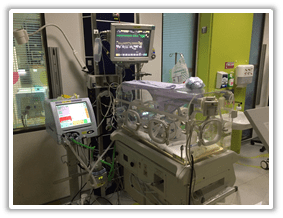
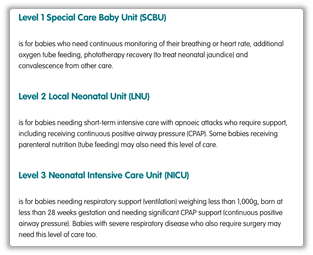
As I write this I wonder two things. The first is what I hope to achieve by writing this and the second is how many people reading it are familiar with the acronym “NICU” and what it really means. Until a few months ago, I’ll admit that I didn’t fully appreciate what it meant. I knew that it was intensive care for babies, but I’m sure anyone who recognises the term will agree that “intensive care for babies” doesn’t come close to describing what having a baby, your baby, in intensive care actually means to a parent. For those of you that haven’t looked it up already, NICU is the acronym for Neonatal Intensive Care Unit. NICUs are there for babies who are born too early or too sick and are often supported by a High Dependency Unit (HDU) and a Special Care Baby Unit (SCBU). As babies begin to get better they are moved from NICU, through HDU and in to SCBU before being allowed home. For reference, NICU wards are differentiated by the level of care they can provide in to 3 categories. As you would expect at their gestation, my daughters were swiftly taken to a level 3 NICU after birth.
At the time of writing this I can’t promise you, that as much as I hope for it, this story has a happy ending. The truth is that whilst the doctors reassure me by saying “we’ve seen this before” and “this is normal for a baby of this gestation” I am still petrified by the fact that if everything goes well, my daughters will be in hospital until they are 4 months old and even then are likely to come home with additional breathing support.

 The First 6 Weeks